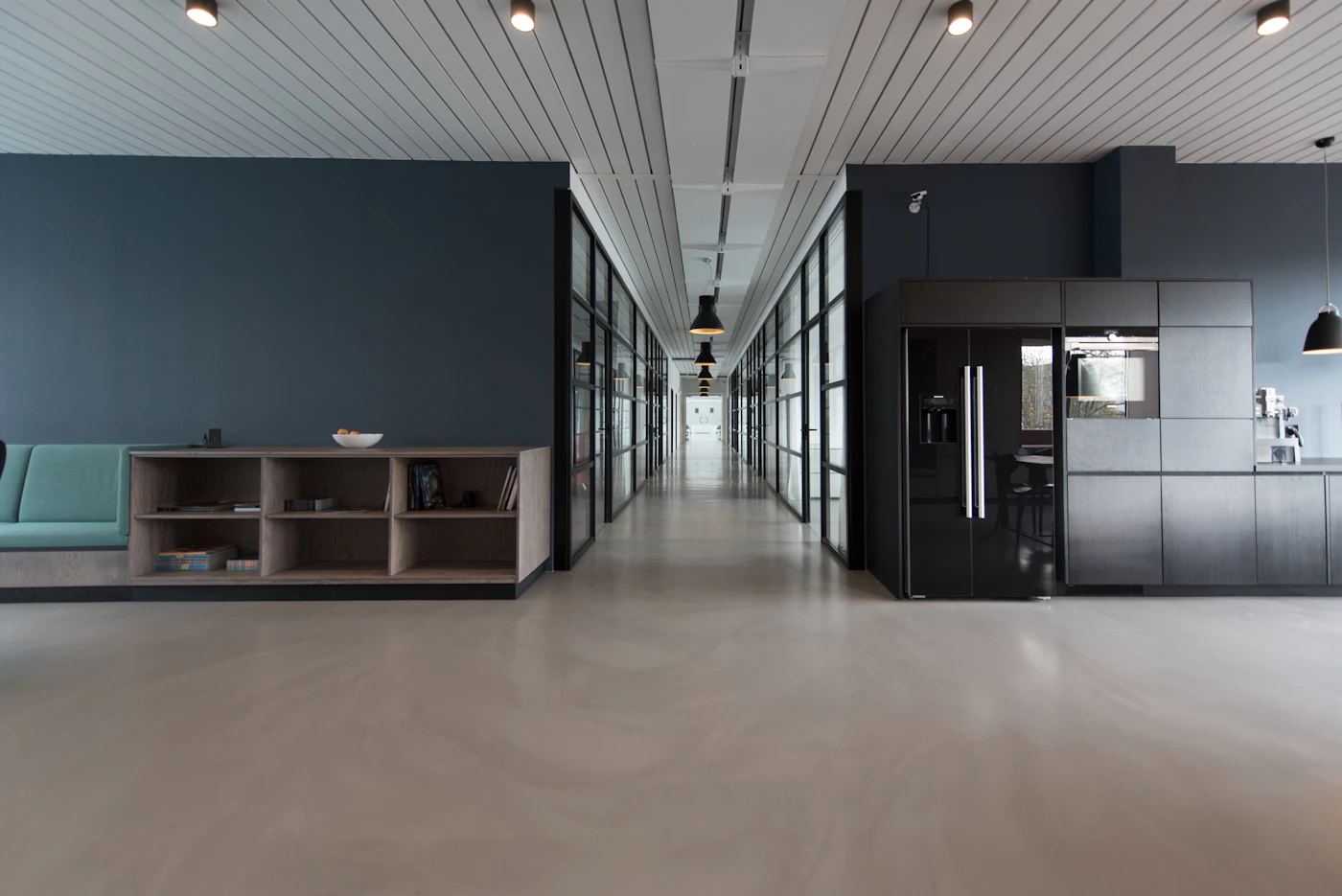
For most of office history, "workplace scent" meant the lingering bouquet of someone's microwaved fish, mixed with carpet cleaner and overworked HVAC. Today, that's changing fast. Some of the world's most innovative companies — Google, Apple, Microsoft, SAP — have quietly invested in professional office scenting, and the data shows why.
A landmark study by Takasago Corporation found that workplaces using lemon scent reduced typing errors by 54%. Lavender reduced them by 20%. Even simple ambient scenting was associated with productivity increases averaging 19% across multiple studies.
The Science of Workplace Scenting
The brain's olfactory bulb sits directly adjacent to the amygdala and hippocampus — the regions governing emotion and memory. This anatomical reality means scent affects mood, focus, and cognitive performance in ways no other sensory input can match.
The Six Workplace Scent Strategies That Work
1. Peppermint for Focus Zones
Studies at the University of Cincinnati found that peppermint scent improved typing speed by 28% and overall task accuracy by 20%. Best deployed in quiet zones, focus rooms, and individual workstations.
2. Citrus for Reception & Common Areas
Lemon, bergamot, and grapefruit signal cleanliness, energy, and freshness. They're the right "first impression" scent for any company that wants to feel modern and welcoming.
3. Lavender for Conference & Meeting Rooms
Lavender lowers cortisol levels and reduces interpersonal tension — making it ideal for spaces where stressful negotiations or conflict-resolution conversations happen.
4. Rosemary for Memory-Heavy Roles
Research published in Therapeutic Advances in Psychopharmacology showed rosemary aroma improved memory retention by up to 75% in test environments. Best for finance, legal, R&D, and analytical departments.
5. Cedar & Sandalwood for Executive Areas
Grounding wood scents convey stability, gravitas, and quiet confidence. Used in executive floors, C-suite offices, and high-stakes meeting spaces.
6. Eucalyptus for Wellness Rooms
If your office includes a wellness or quiet room, eucalyptus aids respiratory relaxation and mental decompression — perfect for break recovery.
The Employee Experience Angle
Beyond productivity metrics, office scenting plays a major role in employee experience — increasingly recognized as a key factor in talent retention. The post-pandemic shift to hybrid work has made the office itself part of the value proposition for in-person workdays.
If your office smells like decade-old carpet and reheated leftovers, you've already lost the comparison to working from home. If it smells like a thoughtfully designed luxury space, you've created an environment people choose to come to.
Industries Leading the Adoption
- Technology companies — Using scent as part of campus culture and innovation atmosphere
- Law firms — Conveying gravitas and trust through cedar and amber profiles
- Wealth management — Signaling premium quality in client-facing spaces
- Architecture & design — Using scent as part of brand identity
- Real estate developers — Scenting presentation centres and model offices
- Medical clinics — Counteracting clinical sterility with calming naturals
The Implementation Roadmap
Phase 1: Assessment
Map your office zones: reception, open work areas, meeting rooms, executive spaces, washrooms, kitchens. Each may benefit from a different scent strategy.
Phase 2: Pilot
Start with one zone — typically reception — and gather employee feedback over 30 days. Refine before expanding.
Phase 3: Roll Out
Deploy across zones with appropriate scent profiles for each space type. Modern systems allow programmable schedules and intensity adjustments.
Phase 4: Maintain
Quarterly check-ins to refresh fragrances, adjust intensity based on seasonal changes (heating and cooling shifts), and refine based on feedback.
What About Employee Sensitivities?
This is the most common (and valid) concern. Professional scent marketing in workplaces addresses it through:
- Using only IFRA-compliant, hypoallergenic-friendly formulations
- Calibrating intensity to imperceptible-to-light levels
- Creating opt-out zones (typically one common area kept unscented)
- Transparent communication with employees before deployment
- Choosing natural essential oil blends over synthetic compounds
When done properly, professional office scenting receives overwhelmingly positive feedback — typically 85-95% of employees in post-installation surveys report improvement in workplace atmosphere.
The Bottom Line
For companies competing for top talent, every detail of the office experience matters. Scent is one of the highest-impact, lowest-cost upgrades available — and it's still rare enough that it becomes a genuine differentiator in candidate interviews and client visits.
If your office is your brand made tangible, scent is what makes that brand felt.
Transform Your Office Atmosphere
From open-plan startups to executive suites, we design workplace scent strategies that boost productivity, wellbeing, and brand experience. Book a free consultation.
Book Free Consultation